Need home tub-to-shower conversions in Johns Creek?
Tell us about your bathroom and your daily routine. Efforttrains Walk-In Tubs will connect you with a local provider who can talk it through and quote the job in writing.
No obligationWalk-In Tubs & Safer Bathing in the Johns Creek area
Request an estimate and compare quotes
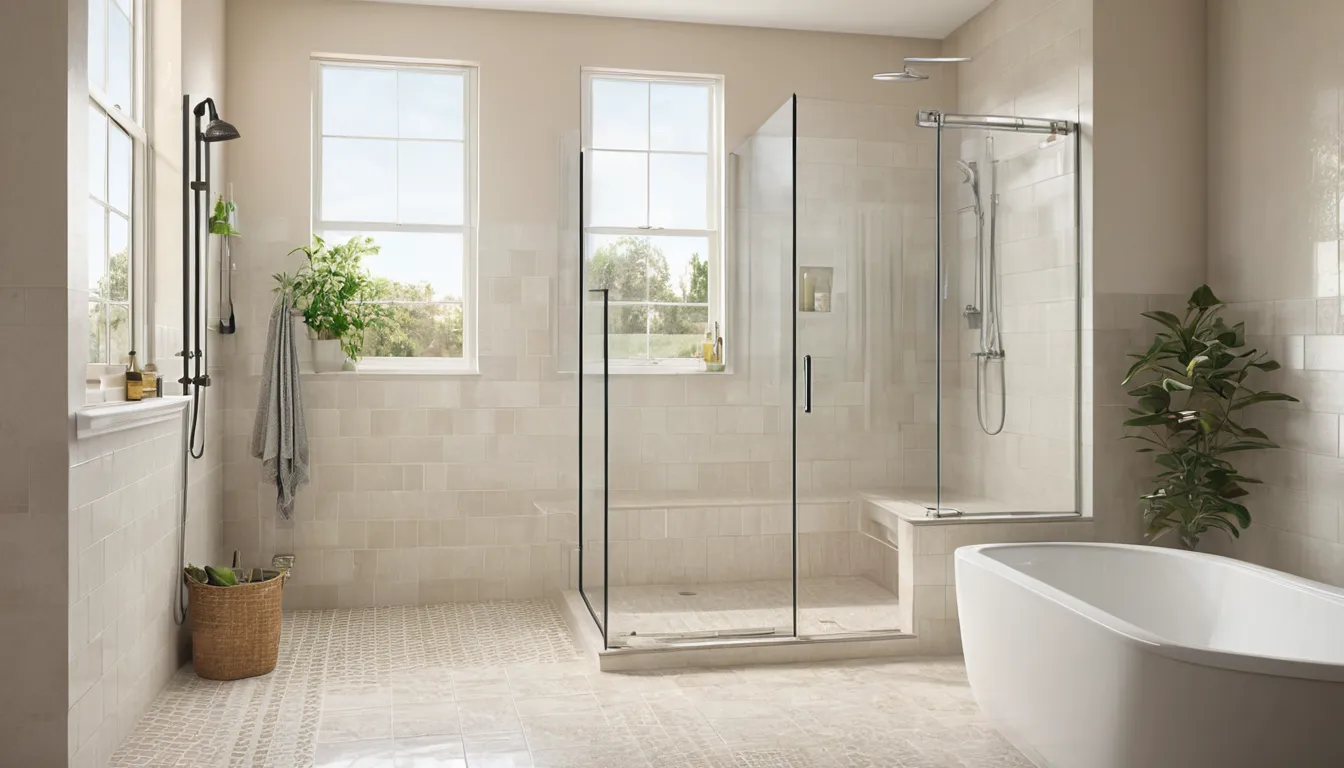
A tub-to-shower conversion takes out the tub and puts in a walk-in shower with a low or flat entry. There is no tall wall to step over. For many households, that one change makes bathing calmer and safer.
Efforttrains Walk-In Tubs is a referral service. We do not do the work. We explain your options in plain words and connect you with independent providers in our network. Each provider quotes the job in writing, so you can compare scope and price side by side. Then you pick what fits your budget, your bathroom and your daily routine.
Many people stop using a tub long before they replace it. The wall is too high. The floor is slippery. Getting out takes effort. If bathing has become a task you plan around, a conversion may solve it.
This page covers one project: turning a tub space into a shower. It is a practical form of tub replacement, and it is often a good fit for hallway bathrooms that never get a soak anyway.
Some signs are easy to spot. Others creep up slowly.
If two or three of these sound familiar, it is worth getting a quote.
A conversion works well when the tub sits in an alcove that can hold a shower base. Most standard bathrooms qualify. The things that matter are the floor type, the plumbing location and how much room you have to turn around inside.
If the household wants a seated soak, a different project fits better. A walk-in tub is the usual answer for that, and it has its own page. If you only need to shower, stay here.
This is the most common choice. A shallow base replaces the tub, with a short step of a few inches. It costs less than most other styles and fits many layouts.
Here the floor slopes gently into the shower with no step at all. It suits walkers and wheelchair users. It can take more prep work under the floor, so ask the provider what they see in your bathroom.
These add wider openings, built-in seats, grab bars and a handheld sprayer. They are designed so that someone with limited balance can bathe with confidence. You can add pieces now and more later.
Busy households do not want a bathroom torn up for weeks. Tell each provider about school runs, work shifts and who needs the bathroom at certain times. Ask if the work can be done in a tight stretch, and whether there is another bathroom to use.
Request a callback to check provider availability if you have a date in mind, such as a visit from family.
The steps are simple to follow. The provider measures the space and checks the walls and floor. The old tub is taken out. Plumbing is adjusted if needed. The new base goes in, then the wall panels or tile, the fixtures and the door or curtain rod.
If the tub has been leaking, the provider may find soft wood or mold behind the wall. That can add repair work. Ask how they handle surprises and how they price them.
Many conversions take a few days from start to finish. Tile jobs and zero-step floors can take longer because materials need time to set. Delivery of custom parts can add waiting time before work starts. Ask each provider for a written schedule.
A curtain is the budget pick and easy to replace. It does let water escape if hung loosely. A fixed glass panel keeps most splashes in and leaves a wide open entry. A framed glass door gives the most enclosure, but the track and hinges need cleaning, and the door swing needs space.
For anyone who uses a walker or a shower chair, a fixed panel or curtain is often easier than a door.
Small extras make a big difference. Think about a fold-down seat, grab bars anchored into solid backing, a textured floor and a handheld sprayer on a slide bar. An anti-scald valve is also worth asking about. Each one adds to the price, so rank them by need.
The size of the opening, the wall material, the base style and the plumbing changes all move the total. Tile costs more than panels. Moving the drain costs more than reusing it. Older homes may need extra repair work behind the walls. Crawl-space and slab homes each have their own access limits for plumbing.
Get at least two written quotes. Check that each one lists the same base, walls, door, fixtures and safety items. Look at what is included for removal and cleanup. A quote that looks cheap may leave things out.
A shower that suits you today may need to suit someone else later. Ask for blocking in the walls for future grab bars. Choose a wider entry than you need right now. Pick a safe bathing conversion that can grow with the household, so you do not redo it in a few years.
Humid summers also matter here. Ask about ventilation and mold-resistant wall materials so the new shower stays fresh.
Request an estimate, describe your bathroom and tell us how your household runs. Providers in our network will reply with options and written quotes you can compare at your own pace, with no obligation.
A low-entry base set where the tub was, sized to fit your space.
Choose solid panels or tile for the walls, with a finish that resists moisture and cleans easily.
A glass door, a fixed panel or a curtain setup, picked for how you move.
Optional bars, a seat and a handheld sprayer for steadier bathing.
Prices vary by home, materials and plumbing needs. These are typical U.S. ranges only, not quotes. Ask each provider for a written, itemized quote so you can see what is included and compare fairly.
| Item | Typical range | Notes |
|---|---|---|
| Basic tub-to-shower conversion | $3,000 – $8,000 | Standard base with panel walls |
| Tiled conversion | $6,000 – $15,000 | Tile adds labor and drying time |
| Curbless, zero-step entry | $7,000 – $18,000 | Floor work can raise the total |
| Glass door or fixed panel | $400 – $2,500 | Depends on glass and hardware |
| Grab bars, seat and handheld sprayer | $150 – $1,200 | Priced per item and install |
| Hidden damage repair | $500 – $3,500 | Only if found behind walls |
Describe your bathroom, who uses it and what feels unsafe today.
A local provider explains shower styles, doors and safety features that fit.
Review itemized quotes for scope, materials, schedule and warranty before choosing.
Pick a start date that suits your household, and ask the provider to confirm the plan and timeline in writing.
We explain options and price factors in simple words.
Independent providers in our network quote in writing, so you can compare scope and price side by side.
Tell providers your daily schedule so the work fits your household.
Requesting an estimate is no obligation, and you choose who to hire.
Tell us about your bathroom and your daily routine. Efforttrains Walk-In Tubs will connect you with a local provider who can talk it through and quote the job in writing.
No obligationTell us about your bathroom and your daily routine. Efforttrains Walk-In Tubs will connect you with a local provider who can talk it through and quote the job in writing.
No obligation